
Loom & Living
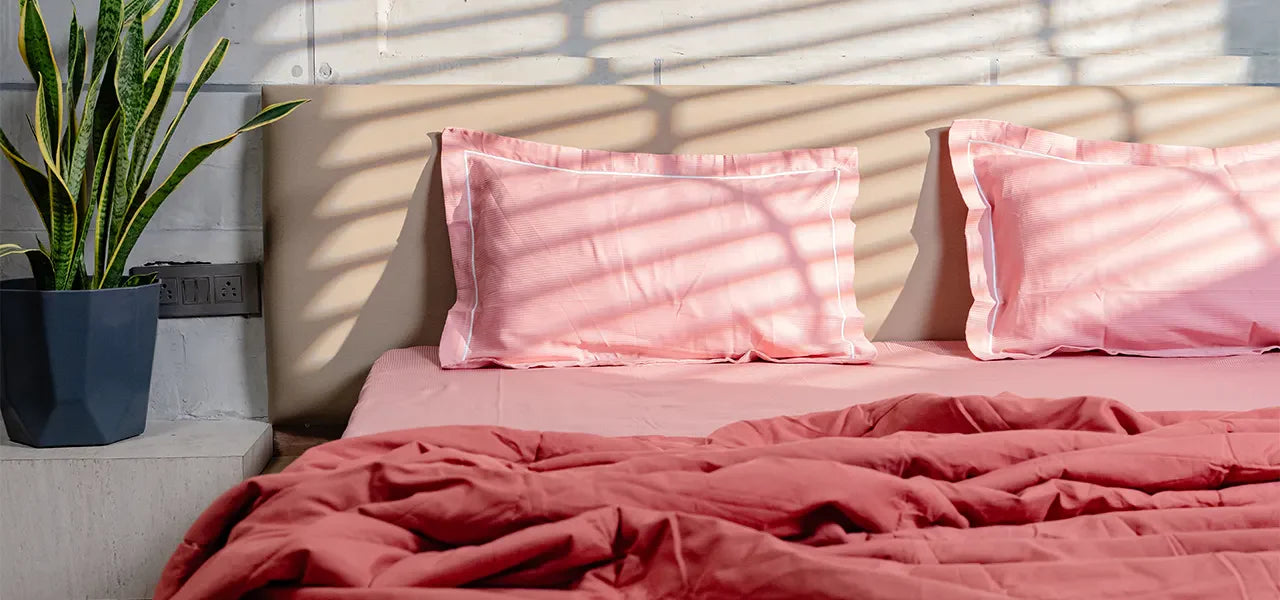

Here’s Why Serenity Solids Is Everyone’s Favourite
Some bedding collections are designed to stand out. Others are designed to fit seamlessly into your everyday life. Serenity Solids belongs to the latter. It is one of those collections people keep coming back to. Not because it is loud or trend-driven, but because it gets the essentials right. Softness, simplicity, comfort, and ease. So, what makes Serenity Solids such a favourite? It Proves That Simplicity Never Goes Out of Style There is something timeless about solid bedding. Without busy patterns or bold prints, Serenity Solids creates a calm, uncluttered look that works in almost every bedroom. Whether your style is minimal, contemporary, classic, or somewhere in between, solid bedding blends in effortlessly. It is the kind of collection that feels just as relevant years later as it does today. It Feels Soft From Day One Comfort is often what turns a one-time purchase into a favourite. Serenity Solids is crafted from 100% cotton with a smooth sateen weave that gives the fabric a soft, silky feel while remaining breathable and comfortable for everyday use. The result is bedding that feels inviting the moment you get into bed and continues to feel good night after night. It Works All Year Round One of the biggest reasons people love Serenity Solids is its versatility. The breathable cotton construction helps maintain comfort across seasons, making it suitable for year-round use. Whether it is a warm summer evening or a cooler night, the fabric feels balanced and comfortable. Instead of switching bedding constantly, many people simply find themselves reaching for Serenity Solids throughout the year. It Makes Everyday Living Easier Luxury is wonderful, but everyday practicality matters too. Serenity Solids is designed to be easy to maintain. The fabric is machine washable, quick to care for, and made for regular use without feeling high-maintenance. Because bedding should fit into your routine, not complicate it. The Colours Are Easy to Live With A good bedsheet should complement your space, not compete with it. Serenity Solids is available in a wide range of carefully chosen shades, from crisp whites and calming greys to deeper, richer tones. This makes it easy to find a colour that works with your existing décor and evolves with your style over time. It is bedding that feels versatile without feeling ordinary. It Balances Luxury and Everyday Use Some sheets feel luxurious but require too much care. Others are practical but lack the feeling of indulgence. Serenity Solids sits comfortably in between. The 250 thread count cotton sateen weave delivers a smooth, elevated feel while remaining light, breathable, and suitable for daily use. That balance is what makes it such an easy choice for so many homes. A Favourite for a Reason At the end of the day, the best bedding is the bedding you never have to think twice about. It feels good, looks good, washes well, and fits naturally into your life. That is exactly what Serenity Solids offers. No complicated features. No unnecessary extras. Just thoughtfully made bedding that delivers comfort, simplicity, and everyday ease. And perhaps that is why it continues to be a favourite. Because sometimes, the simplest things are the ones we love the longest.
Learn more
The Cost of Cheap Bedding (No One Talks About)
Why low prices can sometimes cost you more in the long run Cheap bedding is tempting. It looks good at first, feels like a quick upgrade, and often seems like the easier choice. When shopping online or in stores, lower prices naturally stand out. But what most people do not realise is that bedding affects your everyday life more than almost any other home essential. You use it every single night. It comes into contact with your skin for hours at a time. And when the quality is poor, you feel the difference much sooner than expected. The real cost of cheap bedding is not always visible immediately. It shows up slowly, through discomfort, replacements, and the way your space begins to feel over time. It Does Not Stay Comfortable for Long Low-quality bedding often feels fine in the beginning. But after a few washes, the softness fades. The fabric may become rougher, thinner, or lose its original finish. Sheets begin to feel less breathable, less smooth, and less comfortable against the skin. This means the comfort you initially paid for does not actually last. And because bedding is something you use daily, that decline becomes noticeable very quickly. You End Up Replacing It More Often One of the biggest hidden costs of cheap bedding is frequent replacement. Poor-quality fabrics tend to wear out faster. Colours fade, stitching loosens, and the material loses its shape over time. Instead of lasting for years, the bedding begins to feel tired after a short period of use. This creates a cycle where you keep buying replacements, often spending more overall than you would have on better-quality bedding from the start. Sleep Quality Quietly Changes Comfort directly affects sleep, even when we do not consciously notice it. Cheap bedding is often made with fabrics that trap heat or feel less breathable. This can make sleep feel restless, especially in warmer climates. You may wake up feeling overheated or uncomfortable without immediately connecting it to your bedding. But over time, these small disruptions affect how rested you feel. Good bedding supports sleep naturally. Poor bedding works against it. It Can Feel High-Maintenance Ironically, cheaper bedding often ends up requiring more effort. Some fabrics wrinkle excessively, lose their finish quickly, or need extra care to continue looking presentable. Others shrink or lose softness after repeated washing. Higher-quality bedding tends to hold up better over time. It stays softer, retains its structure, and fits more easily into everyday routines. Comfort should not become another thing to manage. Your Space Feels Different Too Bedding shapes the overall feel of your bedroom more than most décor items. When sheets lose their texture, colour, or finish quickly, the entire room starts to feel less fresh. Even a well-designed bedroom can feel incomplete when the bedding no longer looks or feels good. On the other hand, quality bedding has a way of making the entire space feel calmer and more considered. Cheap and Affordable Are Not the Same Choosing thoughtfully does not always mean choosing the most expensive option. There is a difference between affordable bedding and poorly made bedding. Good-quality fabrics that are breathable, durable, and easy to maintain often provide far better long-term value. The goal is not excess or luxury for the sake of it. It is about investing in products that genuinely improve your everyday experience. The Real Value of Better Bedding Quality bedding is one of those things you appreciate more over time. It stays soft longer. It feels better against the skin. It supports better sleep and makes your room feel more inviting every day. Most importantly, it lasts. And when something becomes part of your daily routine, lasting comfort matters far more than a lower price tag in the moment. Because the real cost of cheap bedding is not just what you pay for it. It is what you continue to give up every night you use it.
Learn more
Are We Overcomplicating Comfort?
Why simpler spaces often feel better to live in Comfort used to be simple. A soft bed, a quiet room, fresh sheets after a long day. It was something you felt naturally, without needing to think too much about it. Now, comfort often feels curated. Perfectly layered beds, endless cushions, complicated routines, and spaces designed more for appearance than everyday living. Somewhere along the way, comfort became something to style instead of something to experience. And it raises an interesting question. Are we overcomplicating it? When Comfort Starts Feeling Like Work There is a difference between a beautiful space and a space that actually feels easy to live in. A room can look perfect in pictures but still feel uncomfortable in reality. Too many layers, too many decorative pieces, too much effort required just to relax. When comfort starts needing maintenance, adjustment, or constant styling, it stops feeling effortless. Instead of helping you unwind, the space quietly asks more from you. Real comfort should do the opposite. More Does Not Always Mean Better We often associate luxury with excess. More pillows, heavier fabrics, larger setups, and elaborate details. But the most comfortable spaces are rarely the busiest ones. A soft bedsheet, breathable fabric, good lighting, and a bed that feels inviting. These are often the details that make the biggest difference. Not because they are dramatic, but because they work naturally with your everyday life. Comfort is usually found in what feels easy, not excessive. The Shift Towards Simpler Living There is a reason more people are leaning towards calmer, more minimal spaces. Life already feels overwhelming enough. People are beginning to value homes that feel restful rather than overly designed. Spaces that allow them to slow down instead of constantly stimulating them. This shift is not about removing personality from a room. It is about removing unnecessary noise. Simple spaces tend to feel lighter, clearer, and easier to return to at the end of the day. Comfort Is Sensory True comfort is not only visual. It is physical and emotional too. The softness of your bedding. The breathability of the fabric. The feeling of getting into a freshly made bed. These sensory experiences shape how relaxed you feel far more than decorative details alone. A room does not need to look complicated to feel luxurious. Sometimes, the softest sheets and the calmest colours create the strongest sense of comfort. Your Space Should Support You One of the biggest signs that comfort has become overcomplicated is when your space starts feeling difficult to maintain. If your bedding requires too much care, if your room constantly feels cluttered, or if styling becomes stressful instead of enjoyable, it may be worth simplifying. Your home should support your routine, not add more pressure to it. Easy-care fabrics, breathable materials, and thoughtful essentials often bring more comfort than constantly adding more things to a space. The Best Spaces Feel Natural The most inviting homes usually have one thing in common. They feel lived in, not staged. Nothing feels forced. The bedding feels soft and effortless. The room feels calm without trying too hard. This kind of comfort is difficult to create through trends alone because it comes from understanding how a space should feel, not just how it should look. Maybe Comfort Was Never Meant to Be Complicated At its core, comfort is about ease. It is about creating a space where your body relaxes naturally and your mind feels quieter. A space that feels welcoming at the end of a long day without needing perfection. Sometimes, this means choosing less. Fewer layers. Better fabrics. Simpler routines. Because the most meaningful kind of comfort is often the kind you do not have to think about at all.
Learn more
How to Build a Bedding Wardrobe for Every Season
Because your bed should change with the weather too We change our clothes with the seasons without thinking twice. Lighter fabrics in summer, warmer layers during colder months, softer textures when the weather shifts. But bedding is often treated differently. Most people use the same sheets and layers all year round, even when their comfort changes with the temperature. The result is a bed that may look good, but does not always feel right. Creating a bedding wardrobe is not about having excess. It is about having the right options for different times of the year. Small changes in fabric, layering, and texture can completely transform how your bed feels. Start with the Basics A good bedding wardrobe begins with versatile essentials. Breathable cotton bedsheets are usually the easiest starting point because they work well across most seasons. They are soft, comfortable, and easy to layer depending on the weather. Neutral tones and timeless patterns also make it easier to mix and match without constantly changing the entire look of your room. The goal is to create a foundation that feels effortless year-round. Lighter Fabrics for Warmer Months Summer bedding should feel airy and breathable. Lightweight fabrics help improve airflow and prevent heat from getting trapped while you sleep. Materials like cotton and Tencel work especially well because they feel soft without feeling heavy. This is also the season to simplify your layers. Instead of thick blankets or multiple cushions, focus on creating a bed that feels clean, fresh, and easy. The lighter your bedding feels, the more comfortable your sleep tends to become during warmer nights. Layering for Cooler Weather As temperatures drop, your bedding needs to change. This does not always mean switching to extremely heavy fabrics. Often, thoughtful layering works better. Adding a quilt, a textured throw, or slightly denser sheets can make your bed feel warmer without becoming overwhelming. Layering also adds depth to the room visually, making the space feel softer and more inviting during colder months. The key is flexibility. You should be able to adjust your bed according to how the weather feels, not just what the calendar says. Think Beyond Just Sheets A bedding wardrobe is not only about bedsheets. Pillows, throws, quilts, and even your choice of cushions affect how your bed feels throughout the year. Lighter textures create a breezier look in summer, while softer, layered details feel more comforting during cooler seasons. Even small changes can make your bedroom feel refreshed without needing a complete redesign. Pay Attention to How You Sleep Your ideal bedding setup also depends on your personal comfort. Some people naturally sleep warm and prefer breathable fabrics all year round. Others enjoy slightly heavier bedding, regardless of season. Building a bedding wardrobe means understanding what helps you sleep best. Not just what looks good. Comfort should always come before trends. Keep It Easy to Maintain Seasonal bedding should still fit into your everyday routine. Choosing fabrics that are easy to wash, maintain, and store makes the process much simpler. Bedding that feels luxurious but requires too much effort often becomes difficult to use consistently. The best bedding is the kind that supports your lifestyle without adding unnecessary work. A Bed That Evolves with the Seasons Changing your bedding with the seasons creates a subtle but noticeable shift in your home. Your room begins to feel more in tune with the environment around you. Lighter and fresher in summer. Softer and more layered when the weather cools down. These changes may seem small, but they affect how you rest and how your space feels overall. Because a comfortable bed is not static. It evolves with you, with the weather, and with the way you live throughout the year.
Learn more
The New Sleep Luxury: Breathability Over Thread Count
Why comfort today is less about numbers and more about how you sleep For years, thread count was treated as the ultimate sign of luxury bedding. The higher the number, the better the sheets. It became the standard way people judged quality, often without looking at anything else. But over time, the conversation around sleep has started to change. People are paying closer attention to how bedding actually feels through the night, not just how it sounds on a label. And increasingly, one thing matters more than thread count. Breathability. What Thread Count Really Means Thread count refers to the number of threads woven into one square inch of fabric. While it can influence softness and density, it is not the only factor that determines comfort. In fact, extremely high thread counts can sometimes make bedding feel heavier and less breathable. Fabrics become denser, trapping more heat and reducing airflow. This may work in colder climates, but in warmer temperatures or humid conditions, it can make sleep feel uncomfortable. A bigger number does not always mean better sleep. Why Breathability Matters More Breathability affects how your body regulates temperature while you sleep. When air moves easily through the fabric, heat and moisture do not get trapped. This helps your body stay cooler and more comfortable through the night. If bedding lacks breathability, you are more likely to feel overheated, restless, or wake up frequently. Even if the sheets feel soft at first, the experience changes after a few hours. This is why breathable fabrics often feel better in the long run. They support deeper, uninterrupted sleep rather than just creating an initial impression of softness. The Shift Towards Lighter Comfort Modern luxury is becoming more practical and intentional. Instead of heavy, overly layered bedding, people are moving towards lighter fabrics that feel easier to live with. There is a growing preference for sheets that feel soft without feeling thick. Comfortable without being overwhelming. This shift reflects the way people want their homes to feel today. Calm, breathable, and effortless. Fabric Matters More Than Numbers The type of fabric you choose has a much bigger impact on sleep than thread count alone. Natural fabrics like cotton are popular because they allow airflow while still feeling soft and durable. Tencel has also become a preferred choice because of its cooling and moisture-wicking properties. The weave and finish matter too. A well-made 300 or 400 thread count fabric can often feel more breathable and comfortable than a much denser sheet with an extremely high thread count. It is about balance, not excess. Better Sleep Is Sensory Good sleep is not only physical. It is sensory. The weight of your sheets, the airflow around your body, the way the fabric feels against your skin. These details shape how easily your body relaxes at night. Breathable bedding creates less resistance. Your body does not have to work as hard to stay comfortable. This makes it easier to fall asleep and stay asleep. It is a quieter kind of luxury, but a more meaningful one. What Luxury Looks Like Today Luxury used to mean more. More layers, more weight, higher numbers. Now, luxury feels different. It feels lighter. Simpler. More thoughtful. People are choosing products that improve their everyday experience rather than just looking impressive. And when it comes to bedding, that often means prioritising comfort that lasts through the night. Not just comfort that sounds good on paper. Choosing What Actually Works Thread count still has a place, but it should not be the only thing guiding your decision. Instead of chasing the highest number, pay attention to how the bedding feels, how breathable it is, and how well it suits your environment and sleep habits. Because the best sleep is not created by numbers alone. It comes from bedding that allows your body to rest naturally and comfortably. And increasingly, that is becoming the new definition of luxury.
Learn more
Which Bed Linen Should You Choose?
Finding the right fit for the way you live Choosing bed linen seems simple until you start looking at the options. Cotton, sateen, Tencel, thread counts, textures, finishes. Suddenly, something that felt straightforward becomes confusing. But good bed linen is not about choosing the most expensive option or the highest thread count. It is about finding what works best for your lifestyle, your climate, and the way you like your bed to feel. Start with How You Want It to Feel The first thing to consider is comfort. Not just softness, but the overall feel of the fabric. Some people prefer bedding that feels crisp and fresh. Others enjoy a smoother, silkier finish. Lightweight fabrics feel airy and breathable, while denser weaves feel richer and more enveloping. The right choice depends on what makes you feel most at ease at the end of the day. Think About Your Climate Your environment plays a big role in how your bedding performs. In warmer climates, breathable fabrics make a noticeable difference. Materials like cotton and Tencel allow better airflow and feel lighter against the skin. They help reduce overheating and make sleep feel more comfortable. Heavier fabrics may feel luxurious initially, but can become uncomfortable if they trap too much heat. Choosing bed linen that suits your climate often improves sleep more than you expect. Do Not Focus Only on Thread Count Thread count is often treated as the most important factor in bedding, but it is only one part of the story. A higher thread count does not always mean better quality. The type of fabric, the weave, and the finish matter just as much. A well-made 300 thread count bedsheet can feel far more comfortable and breathable than an overly dense fabric with a much higher count. Instead of focusing only on numbers, pay attention to how the fabric actually feels and performs. Choose Based on Your Lifestyle Your bedding should fit into your everyday life, not complicate it. If you prefer low-maintenance living, easy-care fabrics are a better choice. Breathable cottons that hold up well after repeated washes tend to work well for everyday use. If comfort is your priority, softer fabrics with smoother finishes may feel more luxurious and relaxing. The key is finding a balance between feel, function, and practicality. Consider the Mood of Your Space Bed linen also shapes how your room feels visually. Solid tones often create a calmer, more minimal atmosphere. Subtle patterns and stripes add structure without overwhelming the space. Crisp whites give a classic, hotel-inspired look, while deeper tones feel warmer and more layered. Your bedding becomes part of the overall experience of the room, not just something functional. Different Fabrics, Different Experiences Cotton remains one of the most versatile choices because it is breathable, soft, and suitable for everyday use. Tencel is known for its cooling, silky feel and works especially well in warmer weather or for those who prefer lighter fabrics. Higher thread count sateens create a smoother, richer finish that feels more elevated and indulgent. There is no single “best” fabric. The right one depends on what kind of experience you want your bed to offer. Comfort Should Feel Effortless Good bed linen should support your routine without demanding too much from it. It should feel comfortable the moment you lie down. Easy to maintain. Easy to return to. Something that quietly improves your everyday experience. Because at the end of the day, the best bed linen is not about trends or technical details. It is about creating a bed that feels right for you. And once you find that, the difference is hard to ignore.
Learn more
Why Your Bath Towels Matter in Summer
The small detail that changes how you feel, every day Summer changes everything. The way you dress, the way you sleep, even the way your home feels. But there is one everyday essential that rarely gets a second thought, even though it comes into contact with your skin more than almost anything else. Your bath towel. It is easy to overlook. It hangs in the background of your routine. But in warmer months, your towel plays a much bigger role than you realise. It Is the First Thing Your Skin Feels After a shower, your skin is at its most sensitive. It has just been cleansed, exposed to water, and is more receptive to touch. In summer, when showers are more frequent, this interaction happens multiple times a day. If your towel feels rough or heavy, it can create a subtle discomfort that lingers. On the other hand, a soft, gentle towel makes the transition from shower to dry feel easy. This small moment sets the tone for how refreshed you feel. Breathability Makes a Difference Summer often brings humidity along with heat. Towels that trap moisture tend to stay damp for longer, which can make them feel less fresh with every use. Lightweight, breathable towels dry faster. They allow air to pass through, reducing that damp, heavy feeling. This not only improves how the towel feels on your skin, but also how it behaves between uses. A towel that dries well is a towel that stays fresher. Hygiene Becomes More Important With higher temperatures, moisture tends to linger. This creates an environment where bacteria can grow more easily, especially in towels that do not dry properly. Using a towel that remains damp for long periods can affect your skin, leading to irritation or breakouts. This is particularly relevant for face and body care during summer. Choosing the right fabric and ensuring your towel dries quickly can help maintain better hygiene without extra effort. Weight Affects Everyday Ease Heavier towels can feel comforting in cooler months, but in summer, they can feel excessive. A lighter towel feels easier to use. It absorbs moisture without feeling bulky, and it does not leave you feeling weighed down after a shower. This ease becomes more noticeable when you are using your towel more often throughout the day. Your Routine Becomes Simpler Summer is usually about simplifying things. Lighter clothing, easier routines, and spaces that feel less heavy. Your bath linen should follow the same approach. Towels that are easy to wash, quick to dry, and simple to maintain fit naturally into this rhythm. When something works effortlessly, you do not have to think about it. It simply supports your day. It Is Not Just Functional A towel is not just a functional item. It is part of your daily experience. The way it feels, the way it dries, and the way it fits into your routine all contribute to how you feel after a shower. In summer, when freshness matters more, this becomes even more important. A well-chosen towel enhances that feeling of being clean and refreshed, rather than taking away from it. A Small Change, A Noticeable Difference Upgrading your towel may not seem like a priority. But it is one of those small changes that has a consistent impact. Every shower feels better. Your routine feels lighter. Your skin feels more at ease. Because comfort is often built through details that are easy to miss. And in summer, your bath towel is one of them.
Learn more
How Sustainable Are Mulberry Living’s Fabrics?
Looking beyond the label Sustainability is a word we hear often. It shows up on tags, in product descriptions, and across brands. But what does it really mean when it comes to something as everyday as your bedsheets? At its core, sustainability is not just about what a product is made of. It is about how it is made, how long it lasts, and how it fits into your daily life. It Starts with Natural Materials A large part of Mulberry Living’s collections are made using cotton and other plant-based fabrics. Natural fibres tend to be more breathable, more comfortable, and closer to what your body needs. Compared to synthetic materials, they also break down more easily over time. This makes them a more considered choice, both for you and for the environment. Fabrics like Tencel go a step further. Made from wood pulp, they are designed to be both soft on the skin and lighter on the planet. Thoughtful Production Matters Sustainability is not only about the final fabric. It is also about how that fabric comes to life. Processes that reduce waste, reuse resources, and limit harsh chemicals make a significant difference. For example, Tencel is created using a closed-loop process where most of the solvents are reused instead of being discarded. These are the kinds of details that may not always be visible, but they play a big role in reducing environmental impact. Durability Is Part of Sustainability One of the most overlooked aspects of sustainability is how long a product lasts. When your bedding holds up well over time, you replace it less often. This reduces waste and lowers the overall impact of consumption. Mulberry Living’s fabrics are designed to balance softness with durability. They are made to retain their quality even after multiple washes, which makes them a more responsible long-term choice. Ease of Care Makes a Difference Sustainable living is not just about big changes. It is also about what fits into your everyday routine. Fabrics that are easy to wash, quick to dry, and simple to maintain tend to use fewer resources over time. They require less effort, less water, and often less energy. When something is easy to care for, you are more likely to use it regularly and keep it in good condition for longer. Less, But Better Sustainability is not always about buying more eco-friendly products. Sometimes, it is about buying fewer, better ones. Choosing high-quality bedding that feels good, lasts longer, and fits into your routine can be more impactful than frequently replacing lower-quality options. It is a shift in mindset. From quantity to quality. From temporary use to long-term value. A Balanced Approach No product is perfectly sustainable. There are always factors to consider, from raw materials to production and usage. But small, thoughtful choices add up. Choosing natural fabrics. Opting for products that last. Being mindful of how you care for them. Mulberry Living’s approach focuses on creating products that are not only comfortable, but also more considered in how they are made and used. What It Means for You Sustainability, in the end, is not just about the environment. It is also about how something fits into your life. When your bedding feels good, lasts longer, and is easy to maintain, it naturally becomes a better choice. Not just for today, but over time. Because true sustainability is not about doing everything perfectly. It is about making better choices, one step at a time.
Learn more
Are You Over-Styling Your Bedroom?
When more starts to feel like too much There is a fine line between a well-styled bedroom and one that feels overdone. With so much inspiration around us, it is easy to feel like every corner needs attention. More cushions, more layers, more décor. It starts with intention, but somewhere along the way, the space can begin to feel crowded. A bedroom is not meant to impress. It is meant to support rest. And sometimes, in trying to make it look perfect, we take away from how it actually feels. When Styling Becomes Visual Noise A thoughtfully styled room feels calm. Your eyes know where to rest. Nothing competes for attention. But when there are too many elements, the space begins to feel busy. Multiple textures, colours, and accessories can create visual noise. Even if each piece is beautiful on its own, together they can feel overwhelming. This kind of environment makes it harder for your mind to switch off. Instead of feeling relaxed, you feel slightly on edge without knowing why. The Bed Is Not a Display Unit It is tempting to layer your bed with cushions, throws, and decorative elements. It looks great in pictures, but in everyday life, it can become impractical. Too many layers mean more to adjust, more to move, and more to maintain. Over time, this can take away from the ease of using your own space. A well-made bed does not need excess. A few thoughtful elements are enough to create a sense of comfort and balance. Function Should Come First A bedroom is a functional space before anything else. It is where you rest, unwind, and reset. When styling starts to interfere with function, it is a sign to step back. If something looks good but makes your space harder to use, it may not belong there. The best-designed spaces are the ones that feel effortless to live in. Where everything has a purpose, and nothing feels unnecessary. Less Can Feel More Complete There is a quiet confidence in restraint. A space that is not trying too hard often feels more refined. Fewer elements allow each piece to stand out. A well-chosen bedsheet, a comfortable pillow, a simple throw. These details feel more intentional when they are not competing with too many others. This creates a sense of balance. The room feels complete without feeling crowded. Pay Attention to How It Feels Styling is not just visual. It is sensory. Ask yourself how your bedroom feels when you walk into it. Does it feel calm or cluttered? Easy or overwhelming? Your response will often tell you more than how the space looks. A room that feels good will naturally support better rest and a more relaxed state of mind. Editing Is Part of Styling Good styling is not just about adding. It is also about removing. Taking a step back and editing your space can make a big difference. Removing a few extra cushions, simplifying your colour palette, or clearing a surface can instantly make the room feel lighter. This process helps you keep what truly adds value and let go of what does not. A Bedroom That Works for You At the end of the day, your bedroom should feel like a place you want to return to. Not a space that feels staged or difficult to maintain. It should be easy, comfortable, and calm. A space that supports you without asking for too much in return. Because good design is not about how much you can add. It is about knowing when to stop.
Learn more
Express Delivery
Swift shipping, so your moments of calm don’t have to wait.

24x7 Support
Your peace matters. So we’re here, always.

Gifting & Bulk Orders
Thoughtful solutions for every occasion and scale.

Verified Perfection
Every piece is finished with mindful care, checked for lasting serenity.