
Not too long ago, spending on home textiles was seen as purely functional. Towels were towels. Bedsheets were bedsheets. Comfort was important, but rarely intentional. Today, that mindset has shifted. People are investing more time, thought, and money into the way their homes feel, not just how they look.
Welcome to the comfort economy.
This growing movement is about prioritising wellbeing, rest, and emotional comfort in everyday life. And at the heart of it is one simple truth. When the world feels overwhelming, home becomes the place we want to feel safe, calm, and cared for.
Why Comfort Has Become a Priority
The pace of life has changed. Long work hours, hybrid schedules, constant digital engagement, and limited downtime have made people more aware of burnout and fatigue. As a result, home is no longer just a place to sleep. It is where we work, unwind, recover, and reconnect with ourselves.

Comfort has become a necessity, not an indulgence.
People now seek out environments that help them slow down. Soft textures, breathable fabrics, calm colours, and familiar routines have taken centre stage. Home textiles play a major role in creating this sense of ease because they are part of our daily physical experience.
We touch them every day. We wrap ourselves in them. We rest on them.
The Shift From Decor to Experience
Earlier, spending on home was often focused on visible decor. Statement pieces, trends, and aesthetic updates mattered most. Today, the focus has shifted inward.
People are investing in how their homes feel rather than how they photograph.
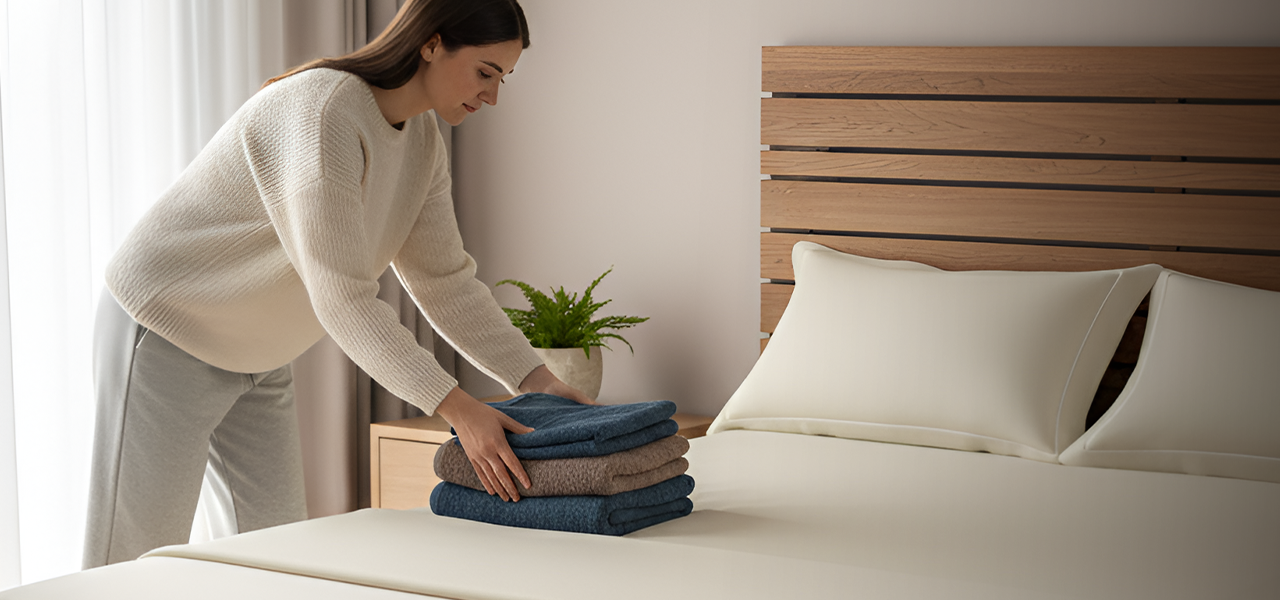
A plush towel that feels comforting after a long day. A breathable bedsheet that improves sleep. A comforter that helps you unwind faster. These are not decorative choices. They are lifestyle upgrades.
This shift explains why home textiles like bedding, towels, robes, and comforters are seeing increased demand. They directly influence daily routines and emotional wellbeing.
Better Sleep Is Driving Better Choices
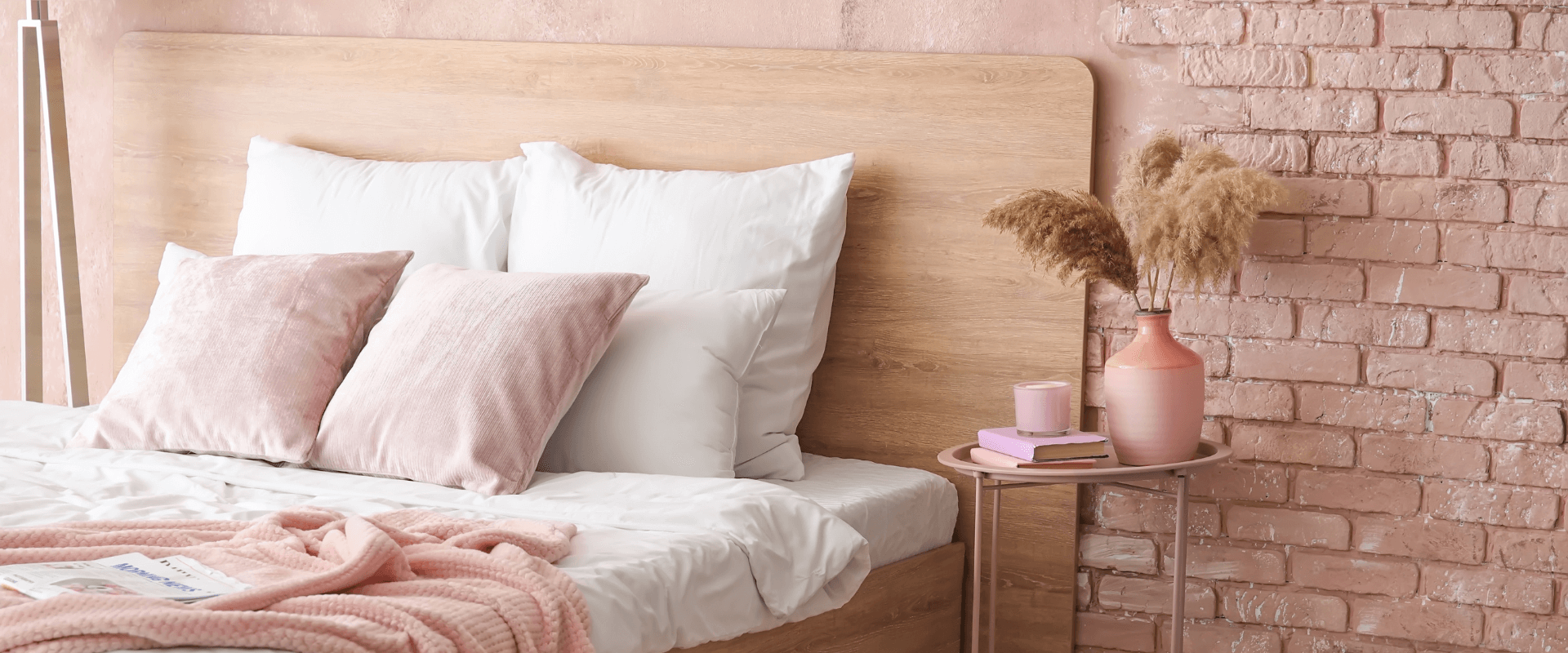
Sleep has become a major wellness conversation, and rightly so. People now understand that quality rest affects mood, immunity, productivity, and mental health. As a result, investing in good bed linen feels like a practical decision rather than a luxury.
High quality cotton sheets that regulate temperature, comforters that feel light yet warm, and bedding that stays soft after wash all contribute to deeper, more restorative sleep.
If you are exploring bedding designed for everyday comfort, you can discover options here: Mulberry Living Bed Linen Collection.
Everyday Rituals Are Being Elevated
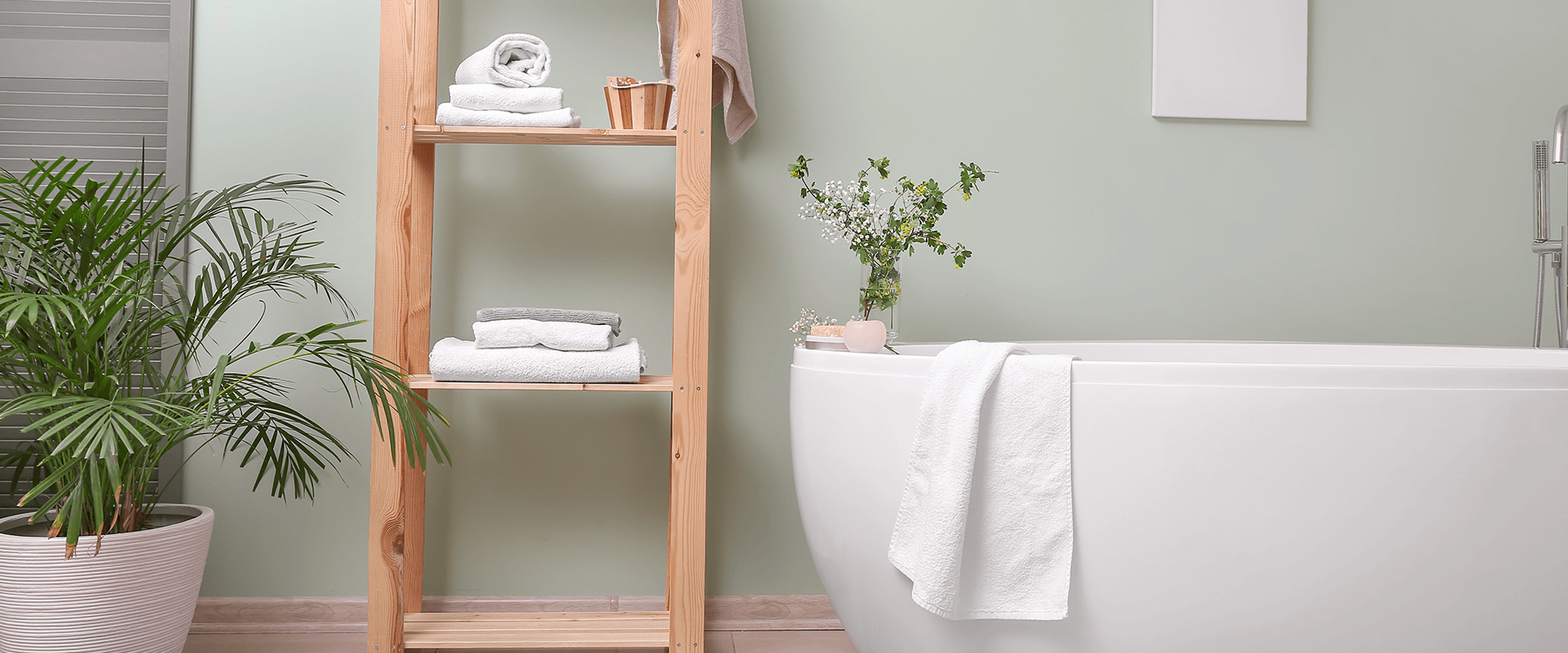
The comfort economy is also about turning small routines into moments of care. Morning showers feel better with soft, absorbent towels. Evenings feel calmer when you return to a bed that feels inviting. These moments add up.
People are realizing that comfort does not have to wait for special occasions. It belongs in everyday life.
This explains the growing interest in premium bath towels, robes, and home essentials that combine durability with softness.
Explore thoughtfully designed bath essentials here: Mulberry Living Bath Collection.
Longevity Matters More Than Ever
Another key reason behind this shift is awareness. Fast consumption has led to clutter, waste, and constant replacement. Many people are now choosing fewer but better pieces that last longer.
Investing in quality home textiles means replacing them less often, reducing waste, and creating a calmer home environment. Durability has become part of the comfort conversation.

This approach aligns with mindful living, where purchases are intentional and long term rather than impulsive.
Home as a Personal Sanctuary
The comfort economy reflects a deeper emotional shift. People want their homes to support them, not drain them. Soft spaces, neutral tones, and tactile comfort create a sense of safety that feels grounding.
Textiles play a quiet but powerful role in this. They are not loud or flashy, but they are deeply personal.
Mulberry Living designs its collections around this idea. Comfort, quality, and timelessness come first. Each piece is meant to be lived with, not replaced quickly.
Conclusion
The comfort economy is not a trend. It is a response to how people live today. As life gets faster and more demanding, comfort has become something we actively choose.
By investing in home textiles that support rest, routine, and wellbeing, people are redefining what modern luxury looks like. It is no longer about excess. It is about ease.
And that is why comfort is here to stay.