
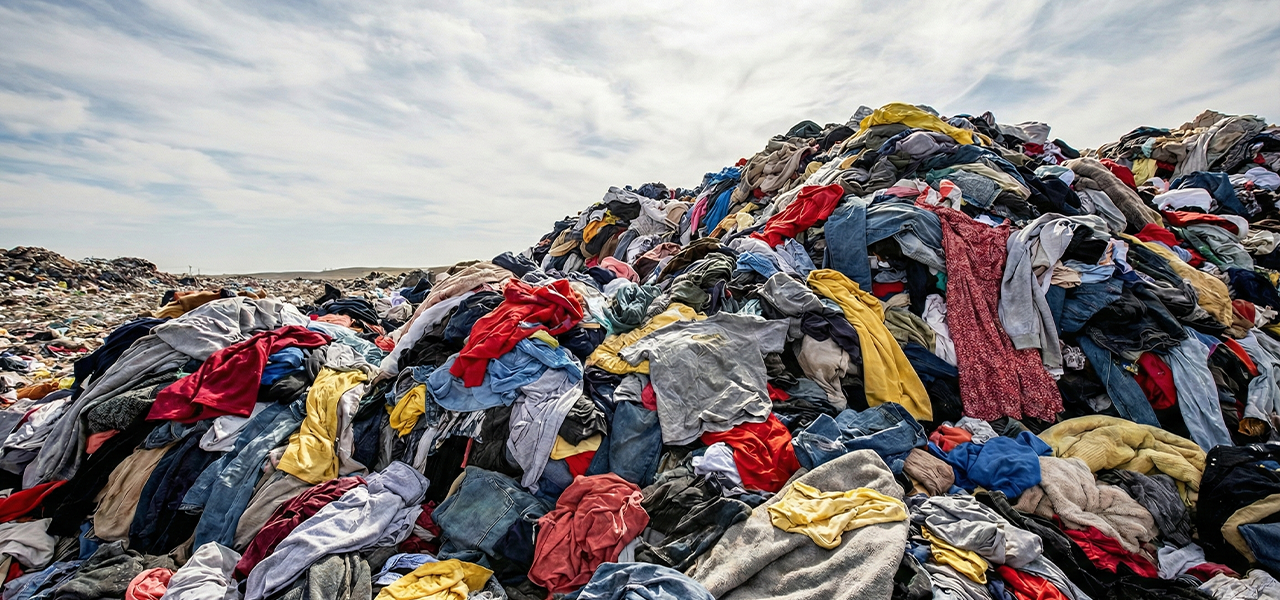
We often think of fast fashion as a budget-friendly way to refresh our wardrobe. New trends every week, affordable price tags, and the thrill of quick shopping, it feels convenient. But behind that convenience lies a growing problem many of us don’t see until it’s too late. The clothes we buy, wear for a short time, and discard are slowly turning into one of the biggest waste contributors in the world.
And surprisingly, this issue doesn’t just affect the planet. It affects our homes, our habits, and the way we live every day.
How Fast Fashion Creates a Culture of Clutter
Every year, millions of garments are produced at record speed. Naturally, we buy more than we need because trends change faster than we can keep up. This leads to overflowing cupboards, drawers that barely close, and homes that feel more chaotic than calming.
It’s not just about storing clothes. It’s about the mental load that comes with owning too much. When our personal spaces feel cluttered, our minds often feel the same way.
Slow living begins with owning fewer, better things. And that shift starts right in our wardrobe.
The Environmental Impact We Don’t See
Most fast fashion garments are made from synthetic materials like polyester, nylon, and acrylic. These do not biodegrade quickly. In fact, a polyester shirt can take up to 200 years to break down.

When clothes end up in landfills:
-
They release methane, a harmful greenhouse gas.
-
Dyes and chemicals used during production leak into the soil.
-
Microplastics spread into water bodies and affect marine life.
Every cheap T-shirt tossed away has a much bigger environmental footprint than its price tag suggests.
Why It Matters Inside Our Homes
We often focus on sustainability outdoors. We think about recycling, reducing plastic, or conserving water. But our home environment is equally important. Living in a space filled with low-quality items that age quickly affects how our home feels and functions.
Fast fashion works the same way fast furniture and low-quality home textiles do. They do not last, they lose shape, they shed fibers, and they end up in the bin sooner than we expect. Before we know it, our homes become part of the fast-consumption cycle.
Choosing Mindfully: A Small Step with Real Impact
One of the simplest ways to break this cycle is to choose better, longer-lasting pieces. Quality over quantity is not just a trend. It is a mindset shift.

Every time we choose durable garments or long-lasting home products:
-
We reduce waste.
-
We make our homes calmer and less cluttered.
-
We save money in the long run.
-
We create a lifestyle that feels more intentional.
A Thoughtful Home Is a Sustainable Home
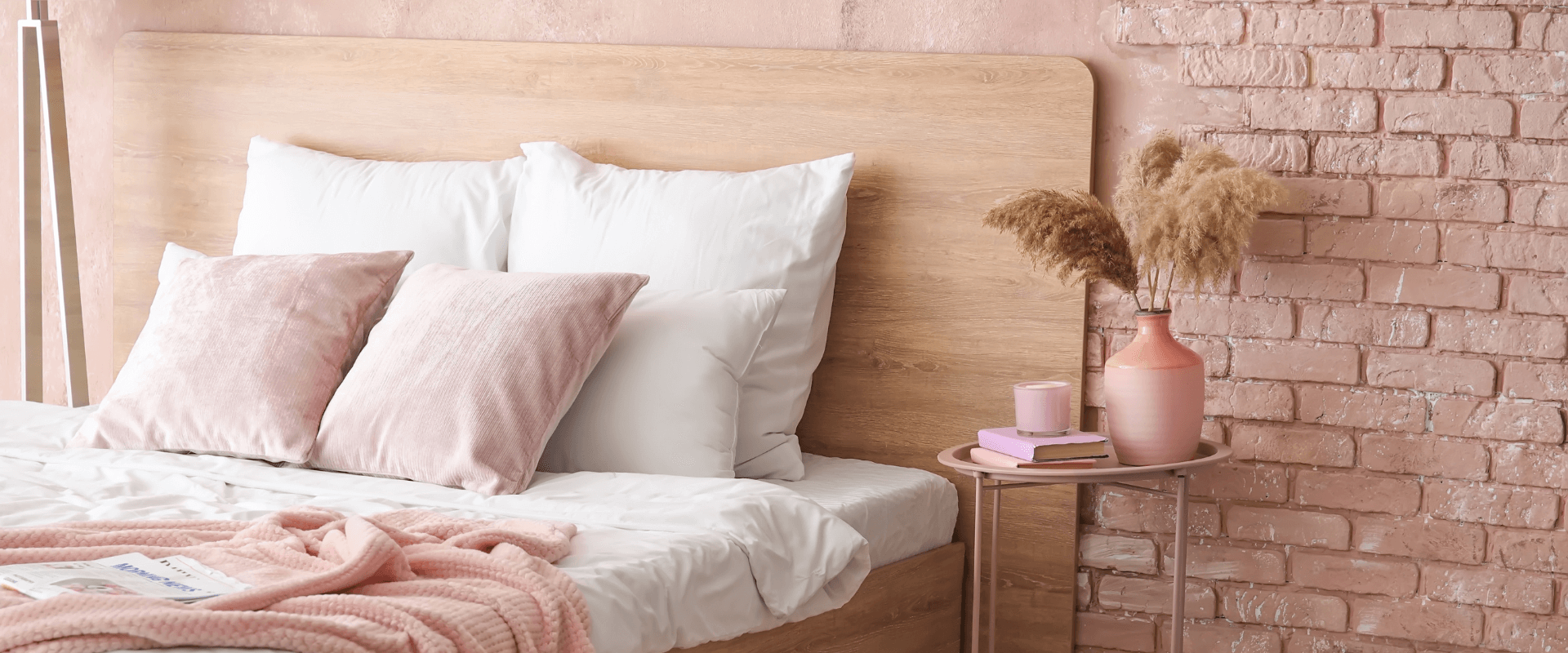
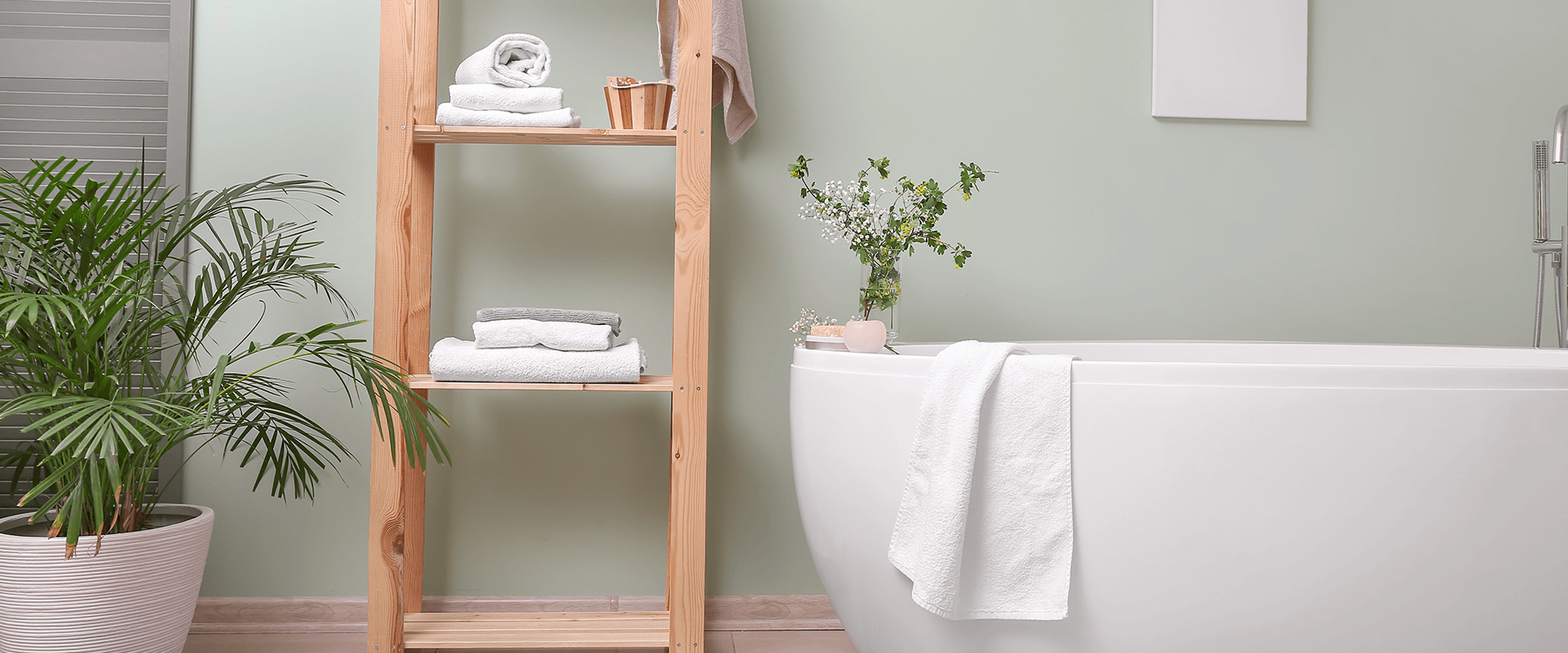
When we invest in well-made textiles for our home, such as soft, breathable, long-lasting bed linen or towels that do not shed, we reduce how often we need to replace them. It is a small, everyday action that adds up to a larger lifestyle choice.
Choosing better products is not about being perfect. It is about slow, mindful upgrades that bring peace into our homes and reduce our impact on the planet.
Our closets and living spaces tell a story. The question is, do we want that story to be about constant consumption or conscious living?