
Why simpler spaces often feel better to live in
Comfort used to be simple. A soft bed, a quiet room, fresh sheets after a long day. It was something you felt naturally, without needing to think too much about it.

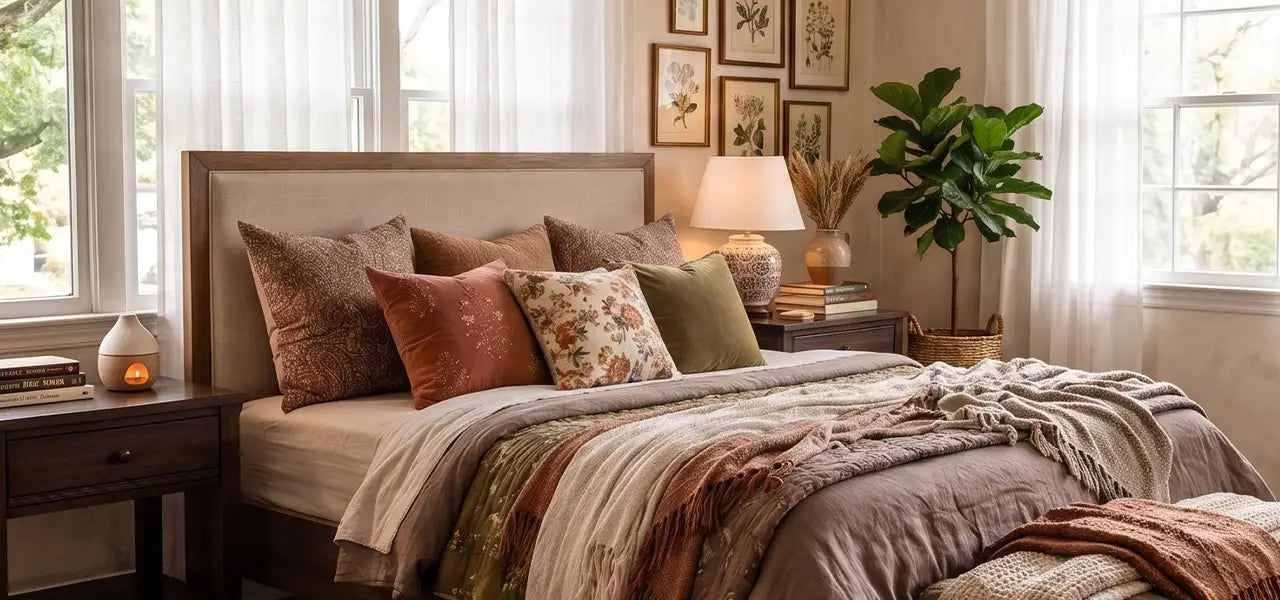
Now, comfort often feels curated. Perfectly layered beds, endless cushions, complicated routines, and spaces designed more for appearance than everyday living. Somewhere along the way, comfort became something to style instead of something to experience.
And it raises an interesting question. Are we overcomplicating it?
When Comfort Starts Feeling Like Work
There is a difference between a beautiful space and a space that actually feels easy to live in.
A room can look perfect in pictures but still feel uncomfortable in reality. Too many layers, too many decorative pieces, too much effort required just to relax.
When comfort starts needing maintenance, adjustment, or constant styling, it stops feeling effortless. Instead of helping you unwind, the space quietly asks more from you.
Real comfort should do the opposite.
More Does Not Always Mean Better
We often associate luxury with excess. More pillows, heavier fabrics, larger setups, and elaborate details.
But the most comfortable spaces are rarely the busiest ones.
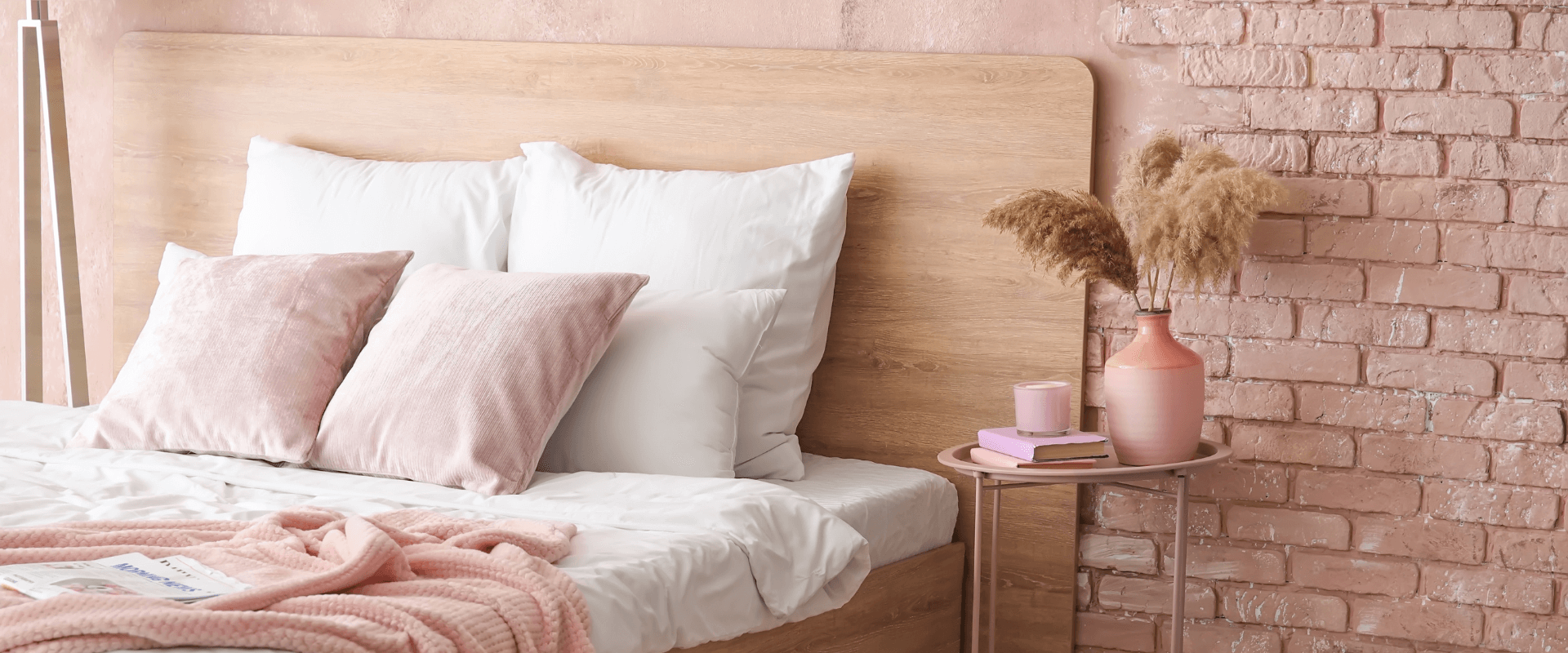
A soft bedsheet, breathable fabric, good lighting, and a bed that feels inviting. These are often the details that make the biggest difference. Not because they are dramatic, but because they work naturally with your everyday life.
Comfort is usually found in what feels easy, not excessive.
The Shift Towards Simpler Living
There is a reason more people are leaning towards calmer, more minimal spaces. Life already feels overwhelming enough.

People are beginning to value homes that feel restful rather than overly designed. Spaces that allow them to slow down instead of constantly stimulating them.
This shift is not about removing personality from a room. It is about removing unnecessary noise.
Simple spaces tend to feel lighter, clearer, and easier to return to at the end of the day.
Comfort Is Sensory
True comfort is not only visual. It is physical and emotional too.
The softness of your bedding. The breathability of the fabric. The feeling of getting into a freshly made bed. These sensory experiences shape how relaxed you feel far more than decorative details alone.
A room does not need to look complicated to feel luxurious. Sometimes, the softest sheets and the calmest colours create the strongest sense of comfort.
Your Space Should Support You
One of the biggest signs that comfort has become overcomplicated is when your space starts feeling difficult to maintain.
If your bedding requires too much care, if your room constantly feels cluttered, or if styling becomes stressful instead of enjoyable, it may be worth simplifying.
Your home should support your routine, not add more pressure to it.
Easy-care fabrics, breathable materials, and thoughtful essentials often bring more comfort than constantly adding more things to a space.
The Best Spaces Feel Natural
The most inviting homes usually have one thing in common. They feel lived in, not staged.
Nothing feels forced. The bedding feels soft and effortless. The room feels calm without trying too hard.

This kind of comfort is difficult to create through trends alone because it comes from understanding how a space should feel, not just how it should look.
Maybe Comfort Was Never Meant to Be Complicated
At its core, comfort is about ease.
It is about creating a space where your body relaxes naturally and your mind feels quieter. A space that feels welcoming at the end of a long day without needing perfection.
Sometimes, this means choosing less. Fewer layers. Better fabrics. Simpler routines.
Because the most meaningful kind of comfort is often the kind you do not have to think about at all.