
The role of touch in shaping how we feel, rest, and live
Softness is often treated as a luxury. Something extra, something indulgent. It is rarely seen as essential. When we think of what matters in our daily lives, we tend to focus on function, durability, or appearance. Softness quietly takes a back seat.
But the truth is, softness plays a much bigger role in how we feel than we realise. It is not just about comfort. It is about how your body responds to your surroundings, and how your mind follows.
We Experience the World Through Touch
Touch is one of the most immediate senses. The moment you come into contact with something, your body registers it. There is no delay, no processing needed.

When fabrics feel harsh or rough, even slightly, your body reacts. It may not be dramatic, but it creates a subtle tension. Over time, these small discomforts add up.
Softness, on the other hand, does the opposite. It signals ease. It allows your body to relax without resistance. This is why certain spaces feel more inviting than others. It is not always what you see, but what you feel.
Softness Affects How You Rest
Rest is not just about lying down. It is about how quickly your body is able to settle.
If your bedding feels heavy, stiff, or slightly uncomfortable, your body takes longer to relax. You may shift more, adjust your position, or feel restless without knowing why.
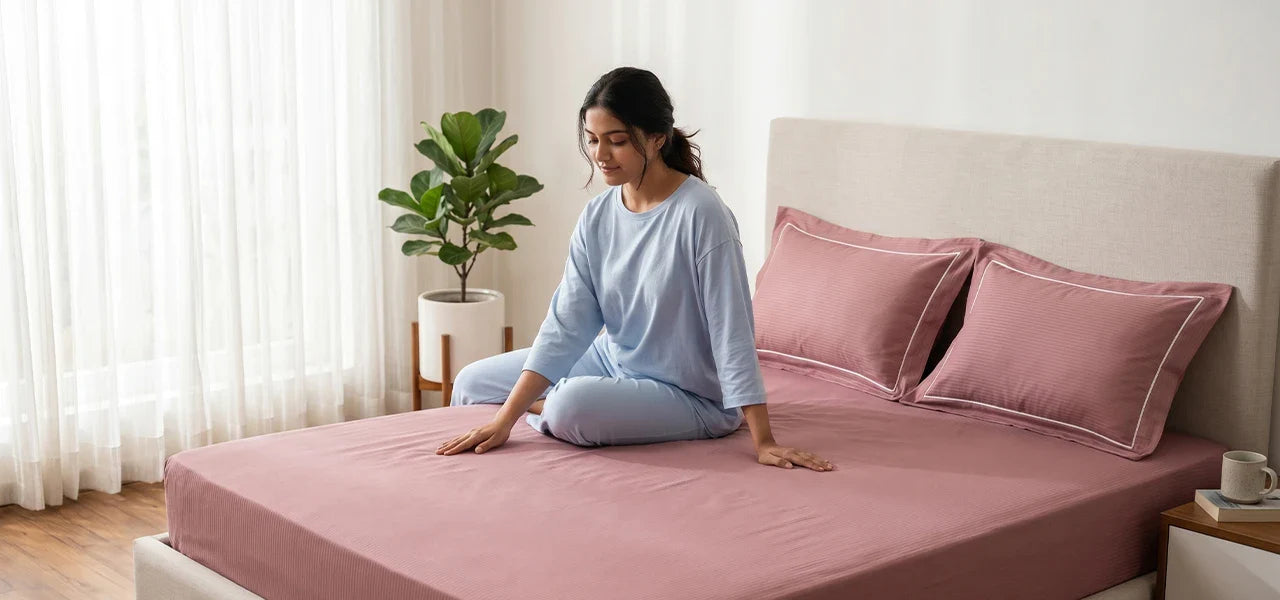
When your sheets feel soft and breathable, your body settles more naturally. There is less friction, less effort. This can make a noticeable difference in how deeply you sleep and how you feel the next day.
It Shapes Your Everyday Experience
Softness is not limited to sleep. It shows up in small, everyday moments.
The towel you use in the morning. The fabric you sit on at the end of the day. The way your bed feels when you return to it at night.

These are repeated experiences. They may seem minor, but they shape how your day begins and ends. When these moments feel gentle and easy, your overall experience of the day shifts as well.
Softness and Mental Ease
There is a strong connection between physical sensation and mental state. When your body feels at ease, your mind tends to follow.
Soft environments often feel calmer. They do not demand attention or create distraction. Instead, they allow you to slow down.
In contrast, harsher textures or uncomfortable materials can create a low level of unease. It may not be obvious, but it affects how relaxed you feel in your own space.
Why It Is Often Overlooked
Softness is easy to ignore because it is not always visible. You cannot always judge it at a glance. It is something you notice only when you experience it.
There is also a tendency to prioritise durability or appearance over feel. While those factors matter, they do not replace how something interacts with your body.
Over time, people begin to accept a certain level of discomfort as normal, without questioning whether it could be better.
Choosing Softness Is Choosing Better Living
Softness is not about excess. It is about intention. It is about recognising that how something feels is just as important as how it looks or how long it lasts.

Choosing softer, more breathable fabrics is a simple way to improve your everyday experience. It does not require a major change, but it creates a noticeable difference.
It makes your space feel more welcoming. It allows your body to relax more easily. And it supports better rest without effort.
A Subtle Shift That Stays With You
Softness may not be the first thing you think about when designing your space. But once you start paying attention to it, it becomes hard to ignore.

It is present in the moments you unwind, in the quality of your sleep, and in how your home feels overall.
Because sometimes, the most important details are the ones you do not immediately see. They are the ones you feel.