
Designing spaces that let you pause
In a world that constantly asks you to do more, move faster, and stay connected, doing nothing can feel unfamiliar. Almost uncomfortable. We are so used to filling every moment that stillness begins to feel unproductive.
But there is a quiet value in pause. In moments where nothing is expected of you. And often, it is your space that decides whether you allow yourself that pause or not.
Your home is not just where you live. It is where you reset. And the way it is designed can either support that feeling or work against it.
A Space That Does Not Ask for Attention
Some spaces feel busy the moment you walk into them. Too many elements, too many colours, too many things competing for your focus.

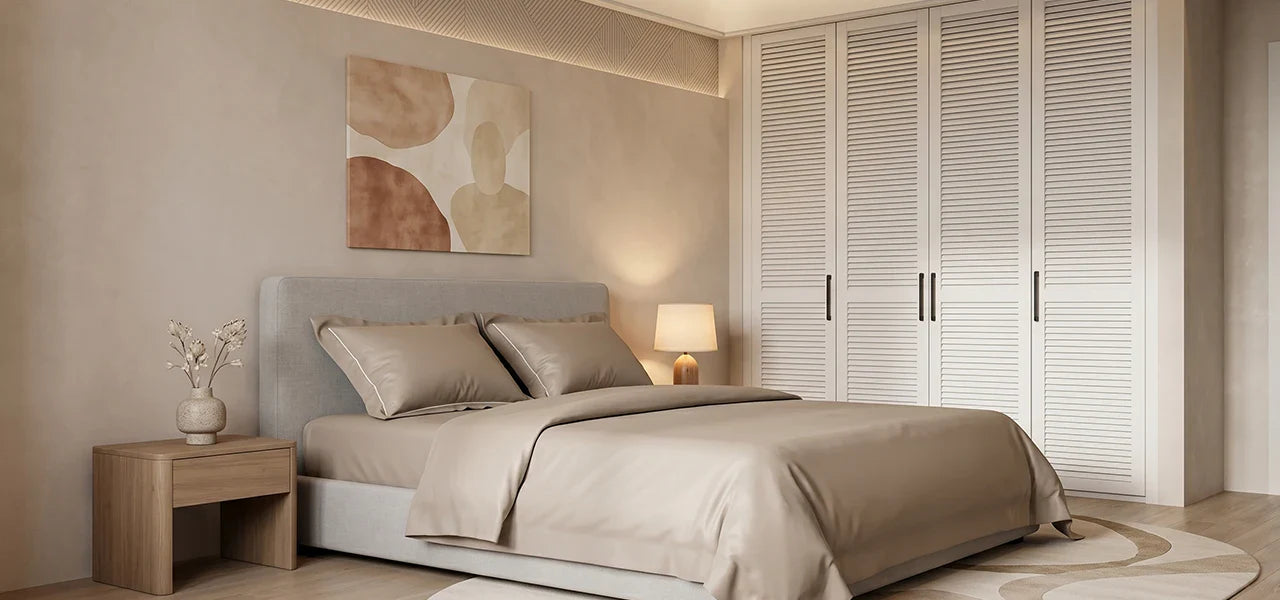
A space designed for pause feels different. It does not demand your attention. It allows your mind to settle without effort.
This does not mean empty or minimal in a strict sense. It simply means thoughtful. Everything in the room has a place, and nothing feels overwhelming.
Softness Changes Everything
The way a space feels is just as important as how it looks. Soft textures have a way of slowing you down.
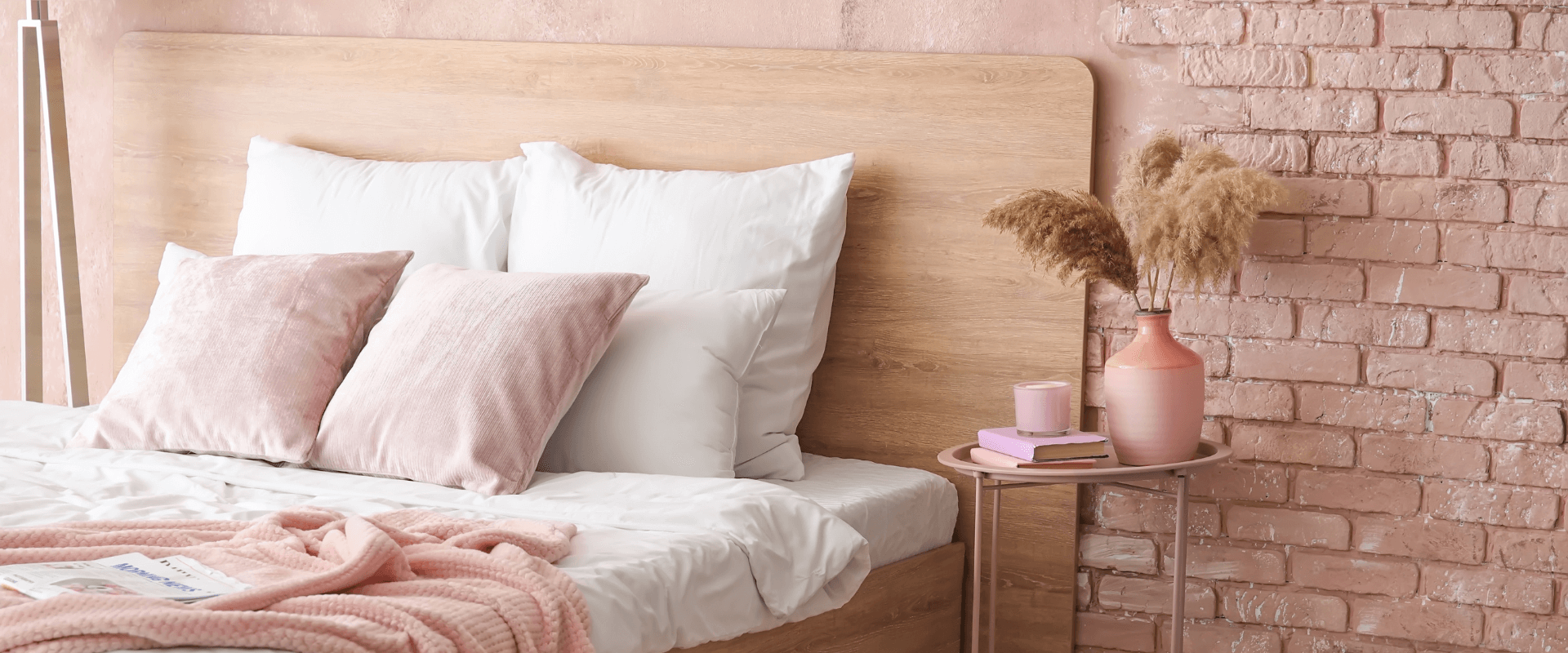
A comfortable bed, gentle fabrics, cushions that invite you to sink in. These elements create a sense of ease. They make you want to stay a little longer, to sit without checking your phone, to lie down without thinking of what comes next.
When your surroundings feel soft, your body responds by relaxing. And once your body relaxes, your mind begins to follow.
Let the Space Breathe
Overfilling a room often comes from the idea that more makes it better. But too much can make it harder to unwind.

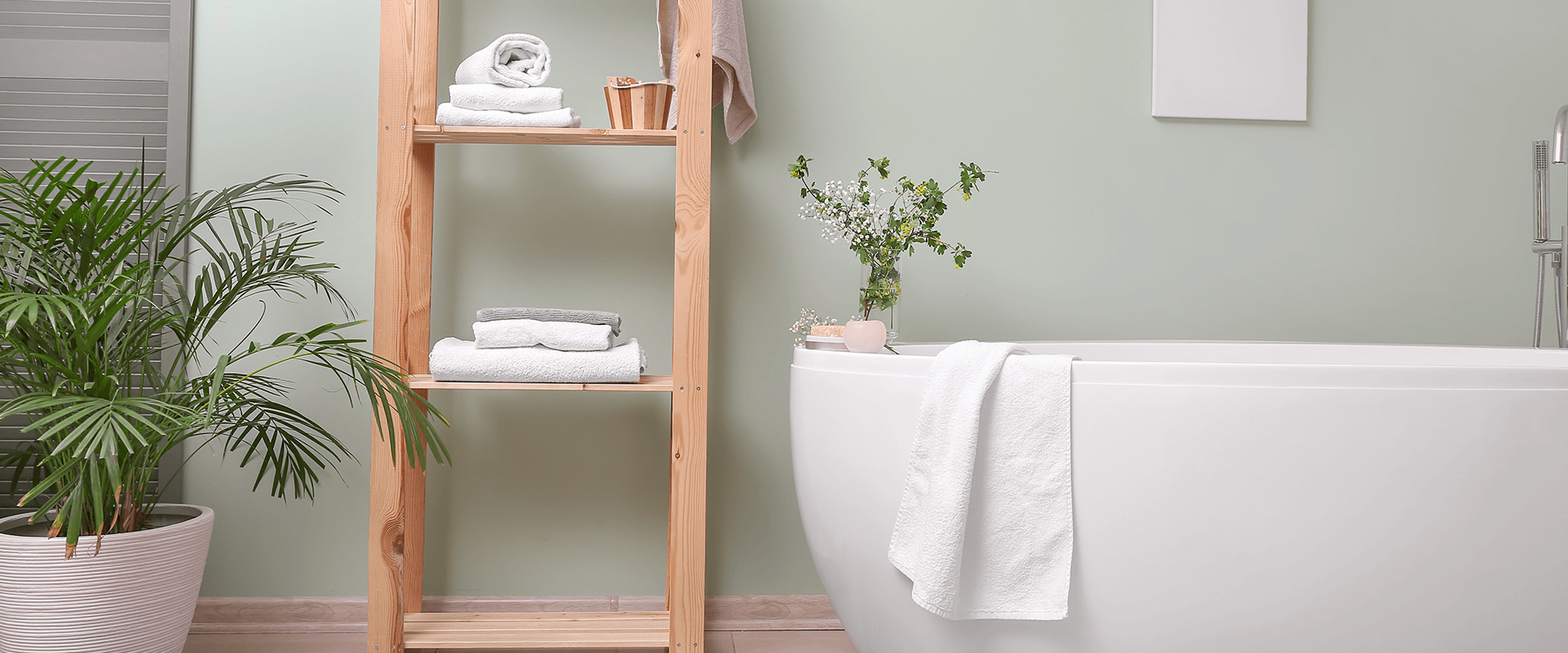
Spaces that allow for pause usually have room to breathe. Clear surfaces, open areas, and a sense of lightness.
This creates a visual calm. Your eyes are not constantly moving from one thing to another. Instead, they rest. And that stillness is what allows your mind to slow down.
Create Small Corners of Quiet
You do not need an entire room dedicated to relaxation. Sometimes, all it takes is a small corner.
A chair by the window. A neatly made bed. A space where you can sit, lie down, or simply be without distraction.
These small zones become anchors in your day. Places you return to when you need a break, even if it is just for a few minutes.
Light Sets the Mood
Harsh lighting can make a space feel alert and active. Softer lighting creates a completely different atmosphere.
Natural light during the day and warm, gentle lighting in the evening can make your space feel more inviting.
It signals to your body that it is okay to slow down. That you do not always have to be in motion.
Less Noise, More Presence
A space designed for pause reduces both visual and mental noise. It does not overwhelm you with choices or distractions.
This makes it easier to be present. To sit without reaching for something to do. To lie down without feeling restless.
It is not about forcing yourself to relax. It is about creating an environment where relaxation happens naturally.
Pause Is a Practice
Doing nothing is not about inactivity. It is about allowing yourself a moment without pressure.
Your space plays a quiet role in this. When your surroundings feel calm, you are more likely to take that pause without resistance.

Over time, these small pauses add up. They help you feel more balanced, more rested, and more connected to your everyday life.
A Space That Gives Back
Designing for pause is not about adding more. It is about removing what is unnecessary and keeping what feels right.
A softer bed. A calmer room. A space that feels easy to be in.

Because sometimes, the most valuable thing your home can offer you is not stimulation or activity. It is the simple ability to stop, breathe, and just be.